



Notes From Her Space
Thoughtful reflections, mental health insights, and practical support for women navigating anxiety, relationships, motherhood, trauma, and life's transitions.


We’re so glad you’re here.
Whether you're navigating anxiety, burnout, relationship challenges, motherhood, perfectionism, trauma, or simply trying to understand yourself more deeply, we hope you'll find something here that helps you feel a little more seen.
These articles are written for women who are carrying a lot—often more than anyone realizes.
You'll find reflections, practical insights, and mental health education designed to help you better understand your experiences, your relationships, and yourself.
And if you're not quite ready for therapy, that's okay. Consider this a place to start. A place to slow down, learn, reflect, and hopefully feel a little less alone until you're ready for the deeper work.
Hi, there!
Not sure where to start?
That’s okay!
Sometimes the first step is simply finding words for an experience you've been carrying alone.
Browse the articles below and see what resonates. You may be surprised by how much comfort can come from feeling understood.

How to Find the Right Postpartum Depression Therapist
Postpartum mental health is a specialized area of care. Pregnancy and the postpartum period involve enormous physical, biological, emotional, and social changes, and mental health concerns during this time can include depression, anxiety, OCD, trauma-related symptoms, bipolar disorder, and, more rarely, postpartum psychosis. These concerns can overlap, which is one reason appropriate assessment matters.

Is People Pleasing a Trauma Response?
Often, yes. Not always, and that distinction matters. But if you have ever cried after sending a two line text declining a dinner invitation, something more than politeness is happening.
For many women, people-pleasing is an attachment based survival strategy. It usually begins young, in a home where staying connected to the people you depended on required a great deal of attention to their needs and very little attention to your own. Culture teaches a version of it too, and the two often reinforce each other. Some people are simply easygoing and agreeable, which is a different thing entirely.

Can You Have Trauma Without One Big Traumatic Event?
Trauma does not always come from one catastrophic event. Sometimes it develops across repeated childhood experiences, complicated relationships, cultural expectations, emotional neglect, or years of learning that safety and love depend on how well you meet everyone else’s needs.
What seems “not that serious” from the outside can still shape your core beliefs, relationships, coping patterns, and physical responses. Trauma is not an oppression Olympics. Your experience does not need to be worse than someone else’s before you are allowed to understand how it has impacted you.

I've Been in Therapy for Years. Why Do I Still Feel Stuck?
If you've been in therapy for years and still feel stuck, it does not necessarily mean therapy has failed, and it certainly does not mean that you have failed.
Sometimes therapy gives you something very valuable: insight. You understand where your patterns came from. You can connect your anxiety, perfectionism, people-pleasing, or relationship struggles to earlier experiences. You may even have fewer symptoms than you did when you started.
And yet, you still find yourself doing things you don't want to do.

I Had a Healthy Baby, So Why Can't I Stop Thinking About My Birth?
If your mind keeps returning to what happened, it doesn't mean you're failing at postpartum. It doesn't mean you're weak, broken, or ungrateful. It may simply mean your brain is still waiting for the support it needed all along.
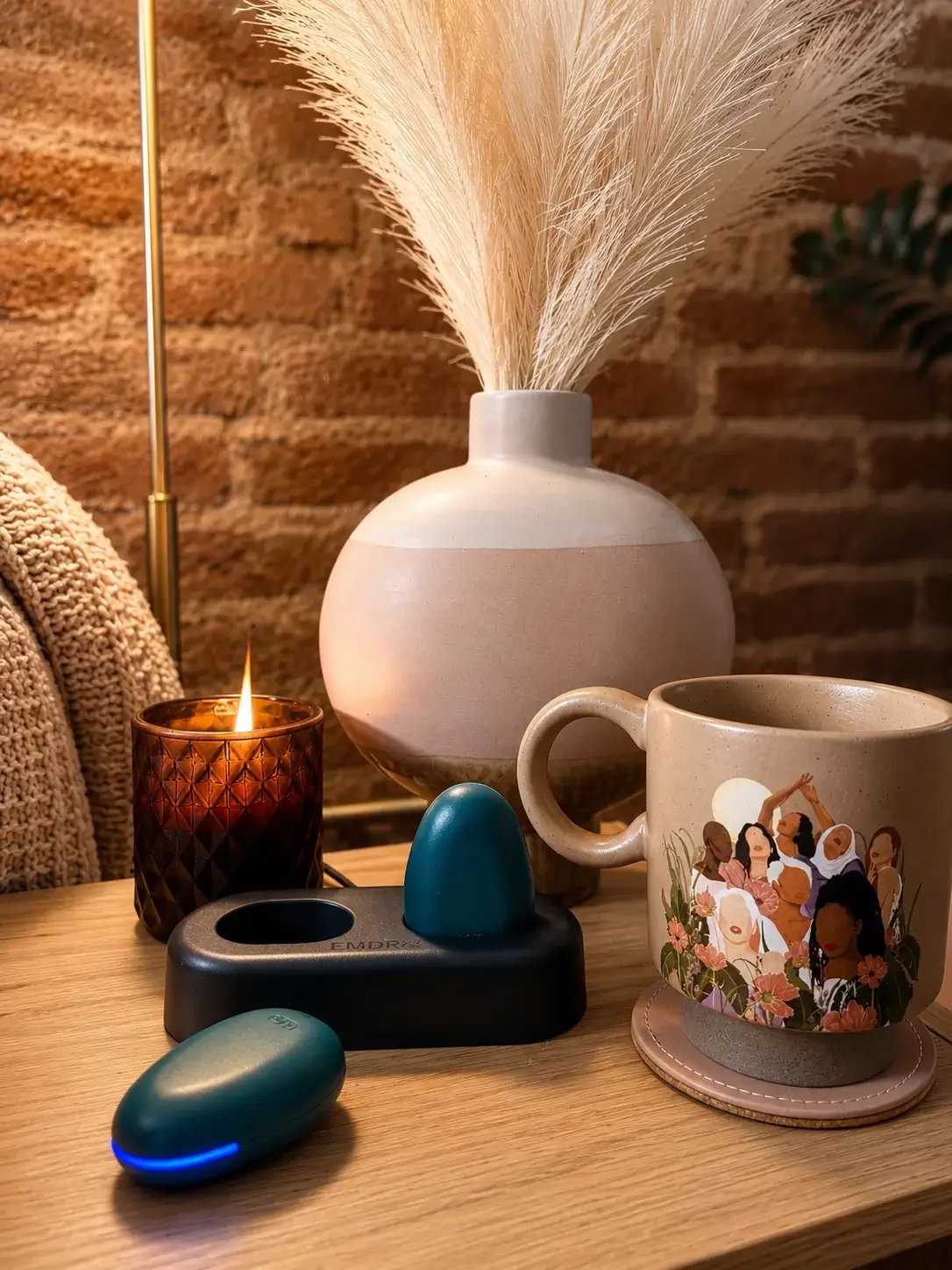
Can EMDR Help If You Don't Remember the Trauma Clearly?
If you've ever found yourself thinking, I don't remember enough for therapy to help, I want you to know you're not alone. It's something I hear often, and it doesn't prevent meaningful healing.

Learning to Let People in (Without Oversharing)
For many women, opening up isn't actually the problem. Knowing who to open up to, when to do it, and how much to share is the hard part.

What High Functioning Anxiety Really Looks Like
High-functioning anxiety doesn't always look like anxiety. Sometimes it looks like achievement, responsibility, perfectionism, and being the person everyone depends on. Here's what it often looks like beneath the surface.